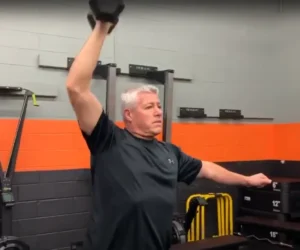
For men over 40 who are trying to stay strong, lose weight, or get back into shape, gym injuries can feel frustratingly common. One week your workouts are going great, and the next you’re dealing with shoulder pain, a pulled back muscle, or aching knees that won’t calm down. At Impact Fitness Solutions, this is something we hear all the time from adults throughout New Jersey. The good news? Most of these injuries are preventable when training is adjusted to fit how the body changes after 40 instead of trying to train like you’re still 25.
The Real Reason Injuries Increase After 40
Here’s the thing most people don’t realize: getting older does not automatically mean you should stop strength training. In fact, resistance training becomes even more important after 40.
The problem is that your body simply recovers differently now.
After 40, several natural changes begin happening:
- Muscle mass gradually declines (known as sarcopenia)
- Tendons and ligaments lose elasticity
- Joint lubrication decreases
- Recovery time increases
- Mobility often becomes more limited from years of sitting or repetitive movement
According to the Mayo Clinic, functional strength training and mobility work become increasingly important as we age to help preserve movement quality and reduce injury risk.
The issue is not that men over 40 should avoid the gym. The issue is that many continue training with habits that no longer match what their body needs.
Common Gym Injuries Men Over 40 Experience
Some injuries show up repeatedly in men over 40 who start lifting again or push too aggressively.
Shoulder Impingement
Heavy pressing movements combined with poor mobility and years of desk posture can create shoulder irritation fast.
Common triggers include:
- Heavy bench pressing
- Poor overhead pressing form
- Skipping warm-ups
- Weak upper back muscles
Lower Back Strains
Deadlifts, squats, and even simple bending exercises become risky when core stability and mobility are lacking.
A lot of men think their back “randomly went out,” but usually the warning signs were there for weeks.
Knee Pain
High-impact movements, poor squat mechanics, and tight hips often place excessive stress on the knees.
This is especially common in men returning to fitness after years away from training.
Tendinitis and Overuse Injuries
One of the biggest issues after 40 is recovery. Doing too much volume too quickly often leads to:
- Elbow tendinitis
- Rotator cuff irritation
- Achilles pain
- Chronic soreness that never fully goes away
The Biggest Mistake: Training With Ego Instead of Strategy
Let’s be real a lot of injuries happen because men try to pick up where they left off 15 years ago.
You remember what you used to bench. You remember your old squat numbers. But connective tissue does not adapt as quickly as your motivation does.
This creates the perfect setup for injury.
A common scenario we see in New Jersey gyms:
- Someone starts feeling motivated again
- They train hard 5-6 days a week immediately
- They skip mobility work
- They max out too early
- Two weeks later their shoulder or back is wrecked
Consistency matters far more than intensity after 40.
How Men Over 40 Can Avoid Gym Injuries
Warm Up Longer Than You Think You Need To
One of the easiest ways to reduce injuries is simply taking warm-ups seriously.
Cold muscles and stiff joints are far more vulnerable.
Spend at least 10-15 minutes on:
- Light cardio
- Dynamic stretching
- Shoulder mobility
- Hip mobility
- Activation exercises
This is especially important during colder New Jersey mornings when stiffness tends to be worse.
Focus on Mobility, Not Just Strength
Mobility work is no longer optional after 40.
Tight hips, restricted ankles, and poor thoracic mobility force your body into bad movement patterns during lifts.
Simple mobility drills performed consistently can dramatically reduce stress on joints.
Key areas to improve:
- Hips
- Ankles
- Thoracic spine
- Shoulders
Stop Chasing Personal Records Every Week
Heavy lifting is not bad after 40.
Recovering poorly is.
Instead of constantly maxing out:
- Train with controlled intensity
- Leave 1-2 reps in reserve
- Focus on tempo and form
- Use progressive overload slowly
The “10% rule” is smart here:
Increase weight or volume by no more than 10% weekly.
Prioritize Recovery Like It’s Part of Training
Many men still think recovery means doing nothing.
Actually, recovery includes:
- Sleep quality
- Hydration
- Protein intake
- Mobility work
- Walking
- Stress management
Without proper recovery, small issues compound quickly.
The Better Health Channel notes that recovery and consistency become critical components of exercise safety as adults age.
Choose Joint-Friendly Exercise Variations
Some exercises simply stop being worth the risk for certain people.
That does not mean you stop training hard.
It means you train smarter.
Examples:
- Swap barbell bench press for dumbbells
- Use trap bar deadlifts instead of conventional deadlifts
- Replace box jumps with lower-impact conditioning
- Use split squats instead of heavy bilateral squats if knees hurt
A good trainer adapts exercises to the individual instead of forcing everyone into the same program.
Learn the Difference Between Soreness and Pain
Muscle soreness is normal.
Sharp joint pain is not.
Pain that:
- Changes movement patterns
- Persists for days
- Feels sharp or unstable
- Gets worse during workouts
…should not be ignored.
Trying to “push through it” is often what turns a small problem into months of frustration.
How Often Should Men Over 40 Work Out?
This depends on recovery ability, experience, and goals.
For most adults over 40:
- 3-4 strength sessions weekly works extremely well
- Walking and mobility work should happen daily
- Recovery days matter
More is not always better.
The best program is the one your body can actually recover from consistently.
Why Personalized Training Matters More After 40
One-size-fits-all programs are a huge reason people get hurt.
A workout that works for a 25-year-old athlete may completely destroy someone with:
- Previous injuries
- Limited mobility
- Stress
- Poor sleep
- Joint issues
- Years away from exercise
That’s why personalized coaching becomes incredibly valuable after 40.
At Impact Fitness Solutions, training programs are designed specifically for adults who want long-term results without constantly fighting injuries or burnout. Instead of random workouts or overcrowded gym environments, clients receive guidance tailored to their body, goals, and fitness level.
Final Thoughts
Getting older does not mean giving up strength training.
In fact, training after 40 may be one of the best things you can do for your long-term health, energy, mobility, and confidence.
But the approach has to change.
Smarter programming, better recovery, improved mobility, and realistic progression are what keep men healthy and consistent for years instead of sidelined with injuries every few months.
Train for longevity, not ego.
That’s the difference.
If you want a training plan built around your body, limitations, and goals not a generic workout that increases injury risk Impact Fitness Solutions can help. Contact our team today to start training smarter, safer, and with long-term results in mind or Call us at 201-228-9311 Email .